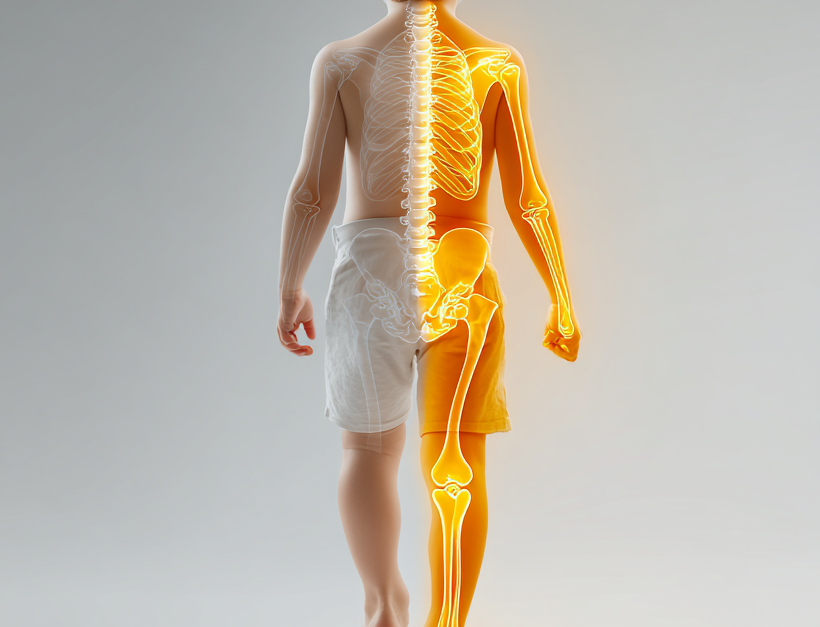
A paresis describes muscle weakness, with hemiparesis affecting an entire side of the body. The cause is usually damage to the central nervous system.
Without support, misalignments and pain can develop over time.
Typical Presentations
- Reduced strength: Affected muscles can no longer be fully activated.
- Impaired coordination: Movement sequences are more difficult and less precisely controllable.
- Asymmetric movement patterns: One side of the body compensates by taking on more work than the other.
- Increased or reduced muscle tone: Depending on severity, spasticity or hypotonia may occur.
Goal of Individual Care
- Balancing movements: Asymmetries are reduced through targeted aids.
- Creating stability: Those affected gain greater confidence in daily life and when moving around.
- Supporting natural development: Early care sustainably promotes motor development.
- Preserving self-initiated activity: The goal is to maintain as much independence and active movement as possible.