
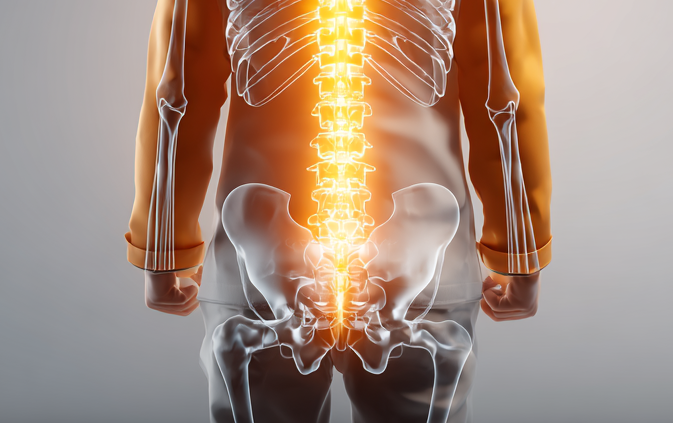
Spina bifida is a congenital malformation of the spine in which the spinal canal does not close completely. This can result in damage to the spinal cord.
Since muscles and nerves are affected to varying degrees, asymmetries and abnormal loading frequently occur.
The effects depend strongly on the level and severity of the malformation
- Paralysis or muscle weakness of the legs: Depending on the level of the malformation, movement and strength of the legs are restricted to varying degrees.
- Sensory impairments: Those affected perceive touch, pressure or temperature in certain areas of the body in a reduced capacity or not at all.
- Misalignments of the feet or joints: Uneven muscle tone leads to misalignments that can worsen without treatment.
- Impaired control of bladder and bowel: Nerve damage can also affect the control of the excretory organs.
Individually tailored orthopaedic care supports
- Upright posture: Orthoses and aids help keep the body stable and upright.
- The safest possible gait pattern: Targeted care improves mobility and reduces the risk of falls.
- Pressure distribution and joint protection: Abnormal loading is compensated to protect joints and skin long-term.
- Active participation in daily life: Well-fitted care promotes independence and mobility in everyday life.